Select your location
Select your language and location to see actual shipping costs and lead times.

Search results
The eternal face-off – discover the differences and see which option is best for you.
There’s a whole range of phone-protection products on the market. To find high-quality tempered glass or protective films, we have to sift through a lot of options. It’s essential that whatever you choose actually does its job. Great to have you here! Right now you’ve got the chance to learn the key characteristics of products designed to safeguard your display. We’re putting them side by side—why? So we can pinpoint what protects a phone screen more effectively: film or glass. Our goal is to make your choice as easy as possible. Below, we’ll examine every protective solution available from 3mk. Hopefully the decision will become crystal-clear!
For several years we’ve watched phone manufacturers roll out ever-new technologies, focusing above all on improving displays. Some devices now feature Corning Gorilla Glass. But does that glass never crack? Is it enough for everyday use? A phone is exposed to damage every single day. An accidental drop onto a hard surface can happen while you’re walking or riding public transport. Things aren’t any safer at home—leave the phone on the edge of a desk or let it fall into a child’s hands and trouble may follow. Remember that hard glass is also brittle, meaning it’s prone to shattering. Sooner or later, without extra protection, damage can strike at the least-expected moment.
When we choose screen protection, we’re looking after more than just appearance—we’re safeguarding our wallets, too. A handset free of scratches and cracks will fetch a better resale price whenever you decide to sell. Using a protector is a money-saver: with the right shield in place, you avoid the high cost of a screen replacement. Naturally, every protective product wears out over time. Keep in mind that its main job is to protect the display from destruction; in the end you swap out only the outer layer, which is far cheaper than replacing the entire screen.
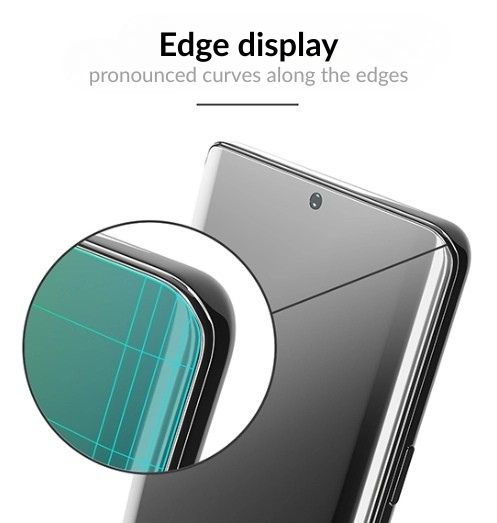
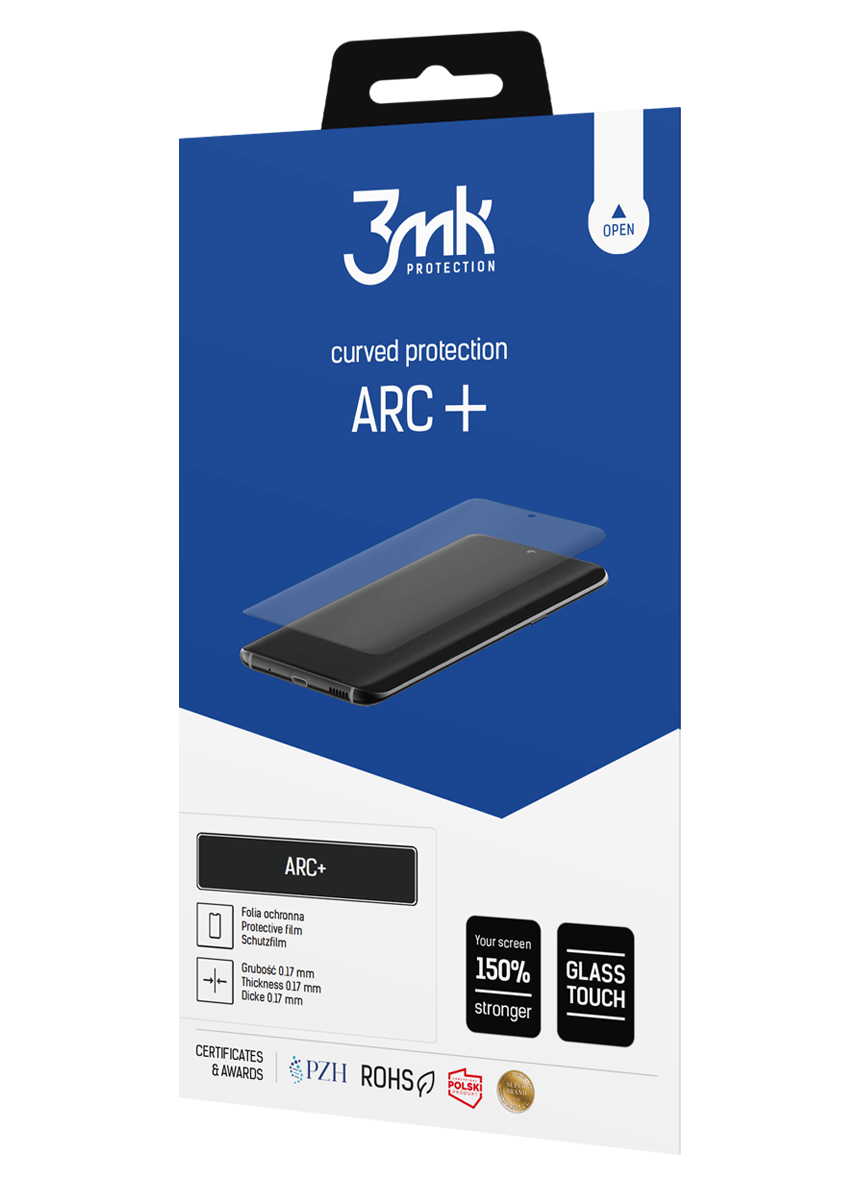
You’ll find three main categories on the market: tempered glass, protective film, and hybrid glass. So which should you choose—film or glass? There’s no single answer; it depends on your phone’s display type and your own preferences. Curved edges have become standard. The most common are gentle 2.5-D curves, found on phones such as the iPhone 11 Pro and Xiaomi Redmi Note 9 Pro. You can also buy handsets with more pronounced edge-type screens (for example, the Xiaomi Mi Note 10 or Huawei Mate 20 Pro). These sweeping front panels are visually striking, but they’re also far more vulnerable to damage—making the right screen protector all the more important.
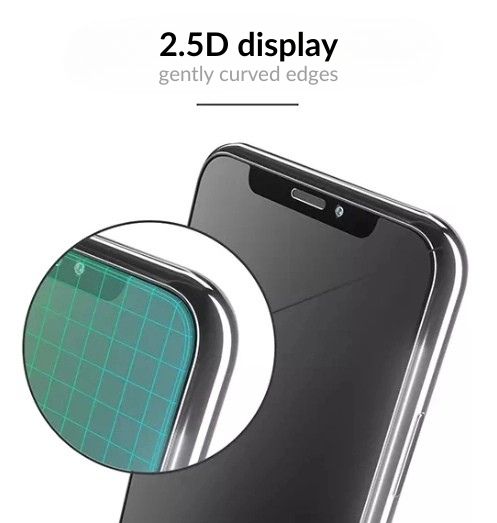
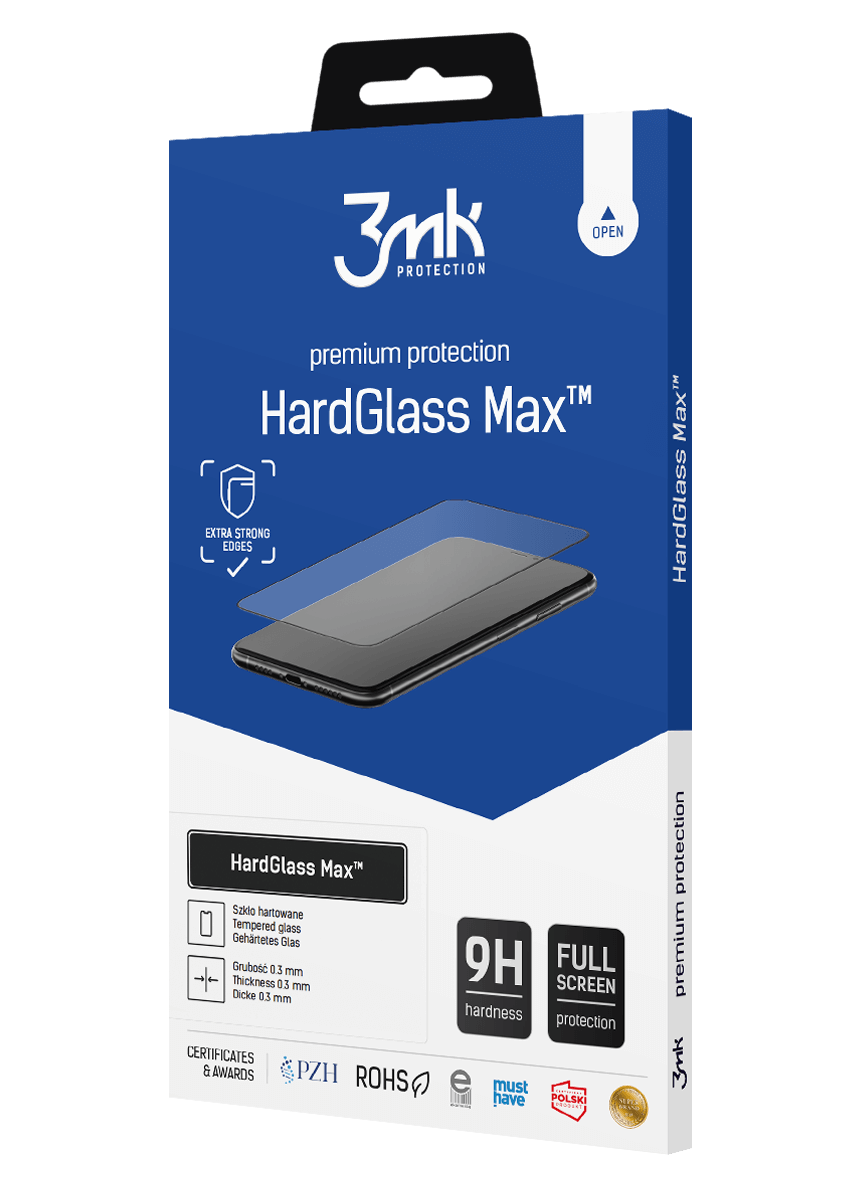
If your phone’s display has mild curves, any type of protector will do the job. Just keep in mind that standard tempered glass is made only for flat surfaces, so it won’t cover the entire front panel. Profiled tempered glass—usually ringed with a frame—will wrap over those edges and is the best choice when you want maximum scratch resistance. If your priority is extra reinforcement and lowering the risk of breakage, look into hybrid glass. Ultra-thin specialist films, on the other hand, provide almost invisible protection thanks to their minimal thickness.
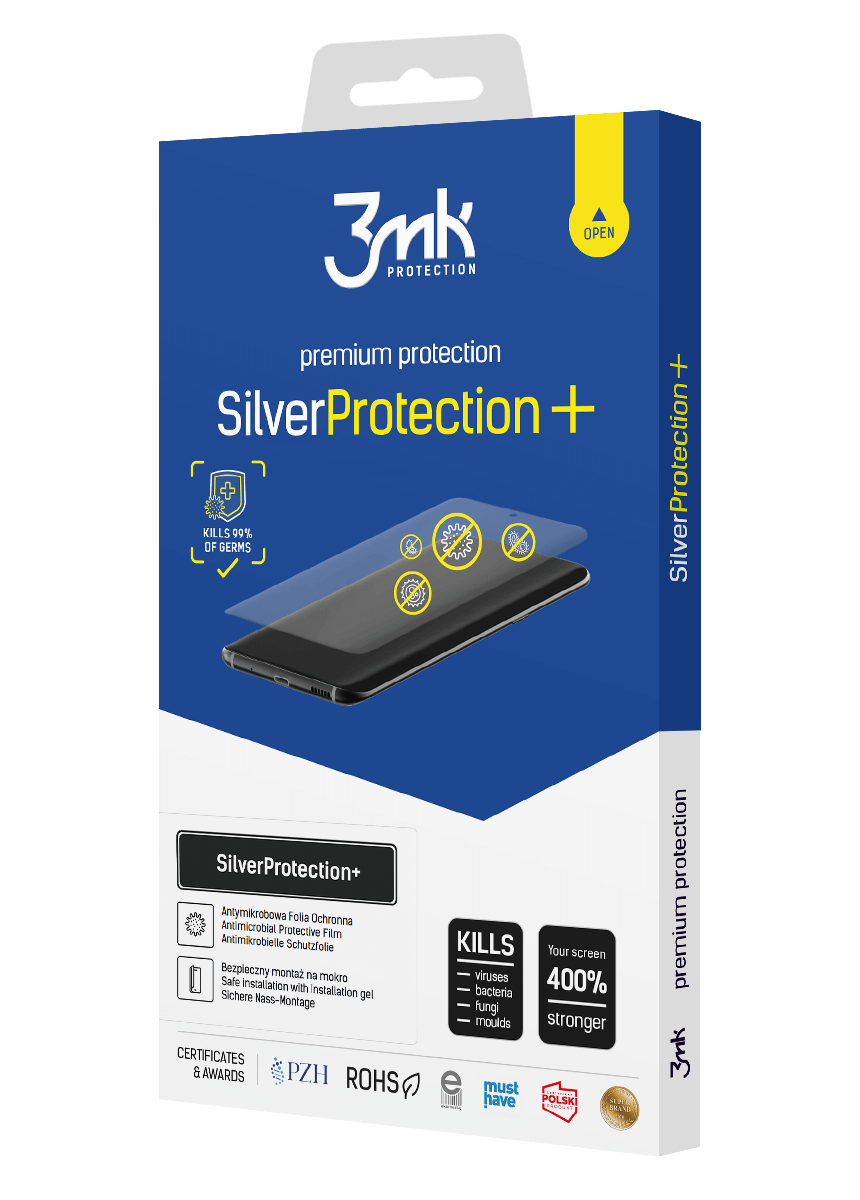
What works better for a phone with an Edge display—film or glass? An Edge screen curves over the sides of the handset, and in this case wet-applied films perform best because they adhere most closely to every contour. Before buying, check the product specifications: not every film includes an impact-absorbing layer or an antimicrobial coating. Premium films such as 3mk SilverProtection+ add both of those features and can even self-heal, so small scratches disappear on their own. Another option for protecting a screen with pronounced edge curves is a profiled protective glass designed specifically for that shape.

Any protector is better than none—but what sets brand-name products apart from cheap substitutes? Above all, quality. They differ in how much of the screen they cover, in hardness, and in their ability to absorb shocks and impacts. Make sure the protection you choose is properly matched to your phone: check the shape and location of the cut-outs for the camera and speaker if these sit in the screen area. Many low-cost tempered-glass sheets are imprecisely sized, which lowers both comfort and protection. Verify whether the product shields only the flat part of the display or the entire panel, and decide which option suits you. Remember, the rounded edges—especially on edge-type screens—are the most vulnerable to accidental damage.

Every kind of film or glass safeguards the display against scratching. The level of resistance depends on the material the protector is made from—the higher it is, the less visible wear you’ll notice in daily use. Hardness is measured on the Wolff-Wilborn pencil scale defined by ASTM D 3363, a test applied mainly to screen protectors. Tempered glass tops the chart at 9H, while hybrid glass typically falls in the 6–8H range.
Tempered glass is extremely hard—but for that very reason it is also brittle. If you opt for tempered glass, make sure the product includes an impact-absorbing layer. That backing not only prolongs the protector’s life; it also keeps you safe if the glass breaks by preventing it from shattering into sharp splinters. Choose hybrid glass and you won’t have to worry about cracks at all, thanks to its multi-layer structure. Hybrid sheets are slightly less scratch-resistant than tempered ones, so heavy use may leave marks. Don’t fret—those scratches stay on the protector, not on your display. And even with lower hardness, hybrid glass has a huge upside: it reinforces the screen itself, cutting the risk of real damage to an absolute minimum.

Touchscreen manufacturers add an oleophobic coating to their displays. What is that, exactly? It’s a thin, perfectly smooth layer that lets your finger glide effortlessly across the surface and helps keep the screen clean by resisting greasy smudges. The same coating is found on some protective films—and on many tempered- and hybrid-glass protectors, too—so the device still feels like bare glass even with an extra layer in place. Certain specialist films go further, incorporating a self-healing top coat that repairs minor scratches and scuffs, letting you enjoy the protection for longer.
To make it easier for you to choose the right protector, we’ve prepared a side-by-side comparison of the key features of films and glass.
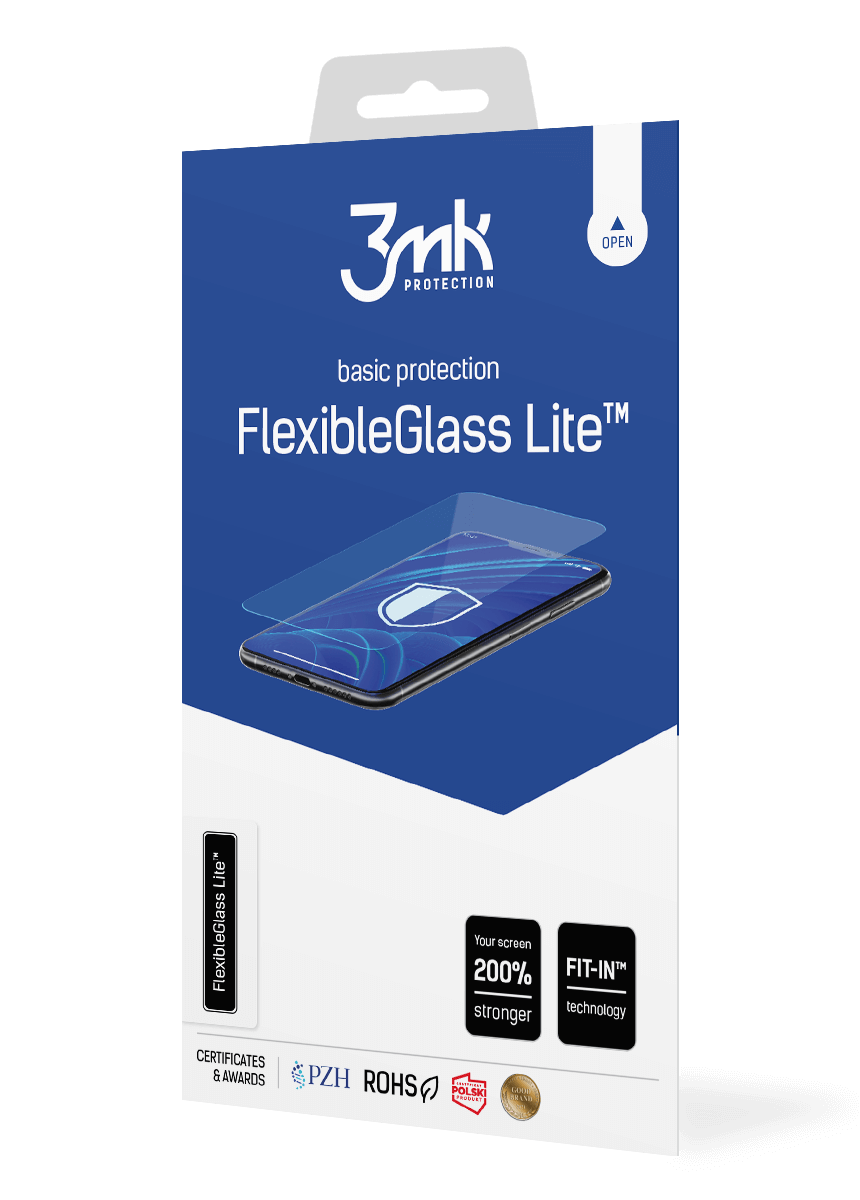
If you still don’t know which product will be perfect for you—whether to choose a film or protective glass—we’ve put together a short overview of every 3mk solution. You can also use the comparison tool; reading through it should give you the answers you’re looking for.
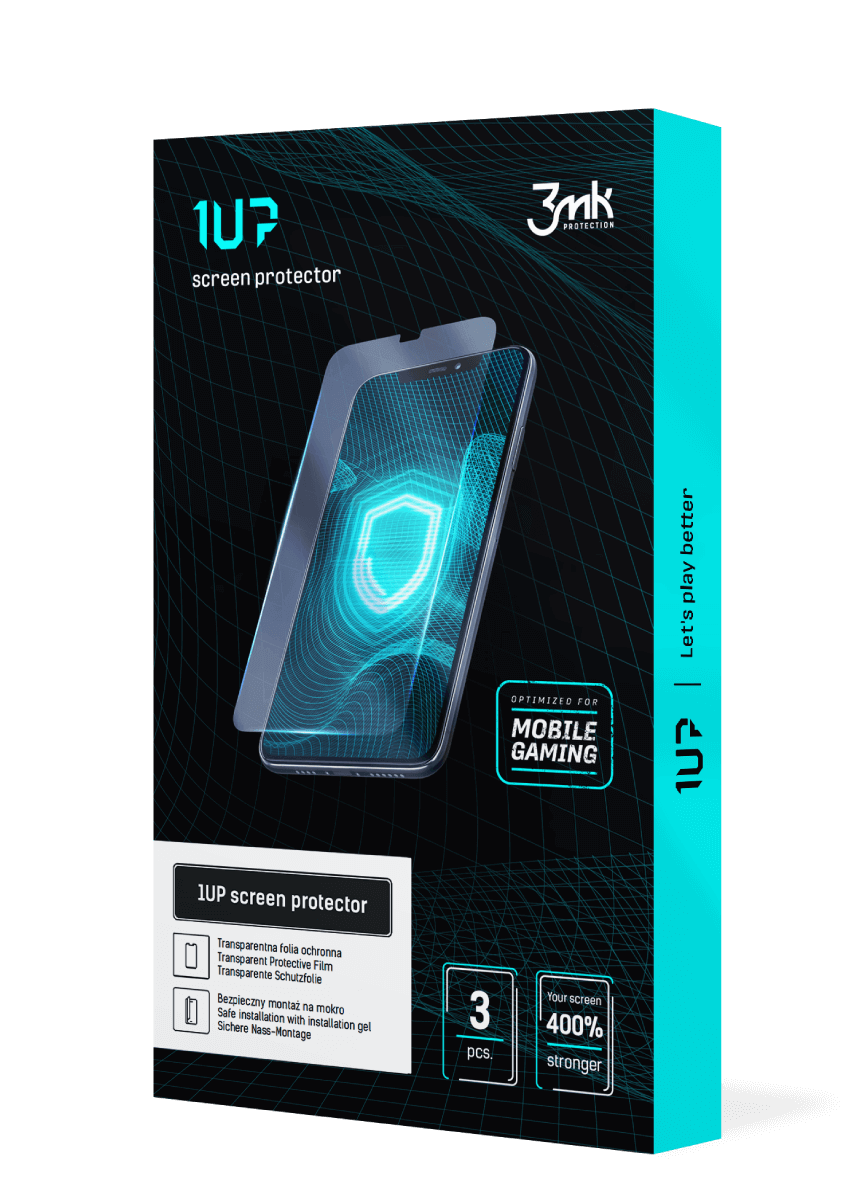
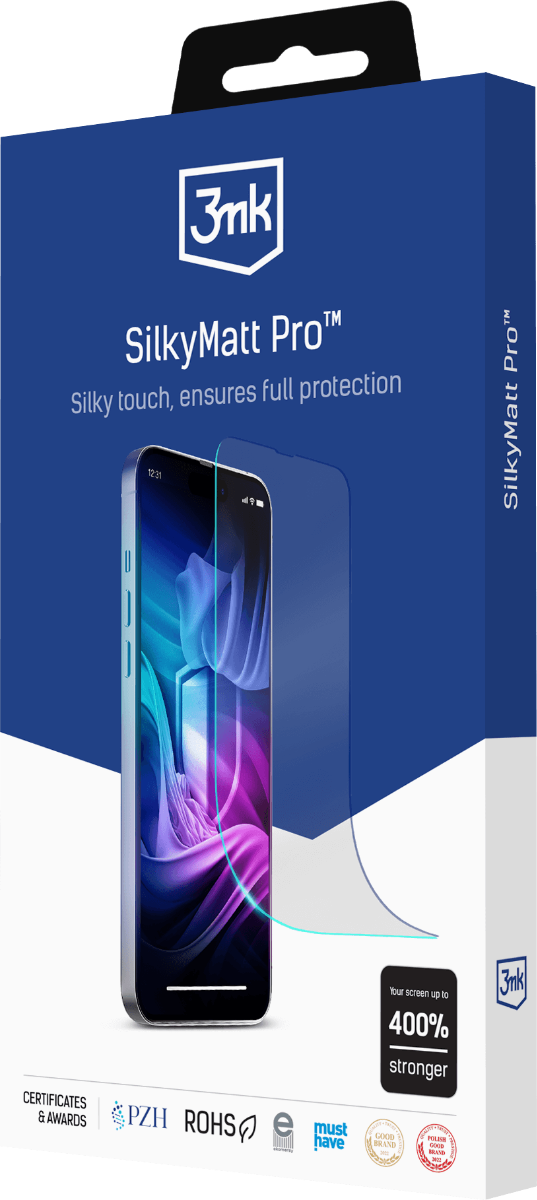
Let’s start with the question: does a hydrogel film protect a phone? Yes, it does! Buying a quality solution gives your smartphone a much better chance in any showdown—say, with a concrete sidewalk. Good protective films are extremely thin, making them almost invisible on the screen! At the same time, their flexibility delivers very high reinforcement. For example, the hydrogel film 3mk 1UP screen protection strengthens the display by up to 400%! And that’s not all—thanks to their softness and flexibility, these films fit perfectly, allowing us to protect even the most demanding screens, such as edge displays. Another big plus is how easy the film is to apply: hydrogel films are installed using a “wet” method, which is far more forgiving of mistakes than applying glass. Wondering how to install a hydrogel film on a phone? Visit our YouTube channel.
A hydrogel film is for you if you don’t like glass on your screen—the extra layer simply bothers you, and that’s perfectly fine. Thanks to its minimal thickness, the film will be practically invisible on the display, we promise. Does your phone often take a tumble? Then film is the custom-made solution, because it provides a very high level of reinforcement. One thing to remember: pay attention to where you keep your phone. The film is quite thin and may struggle in a pocket that also holds coins, keys, or other sharp objects. A five-złoty coin, for instance, can act like a blade and damage the film—or worse, the screen itself. Wondering how to apply a protective film? All our installation videos can be found in the How to install? section.

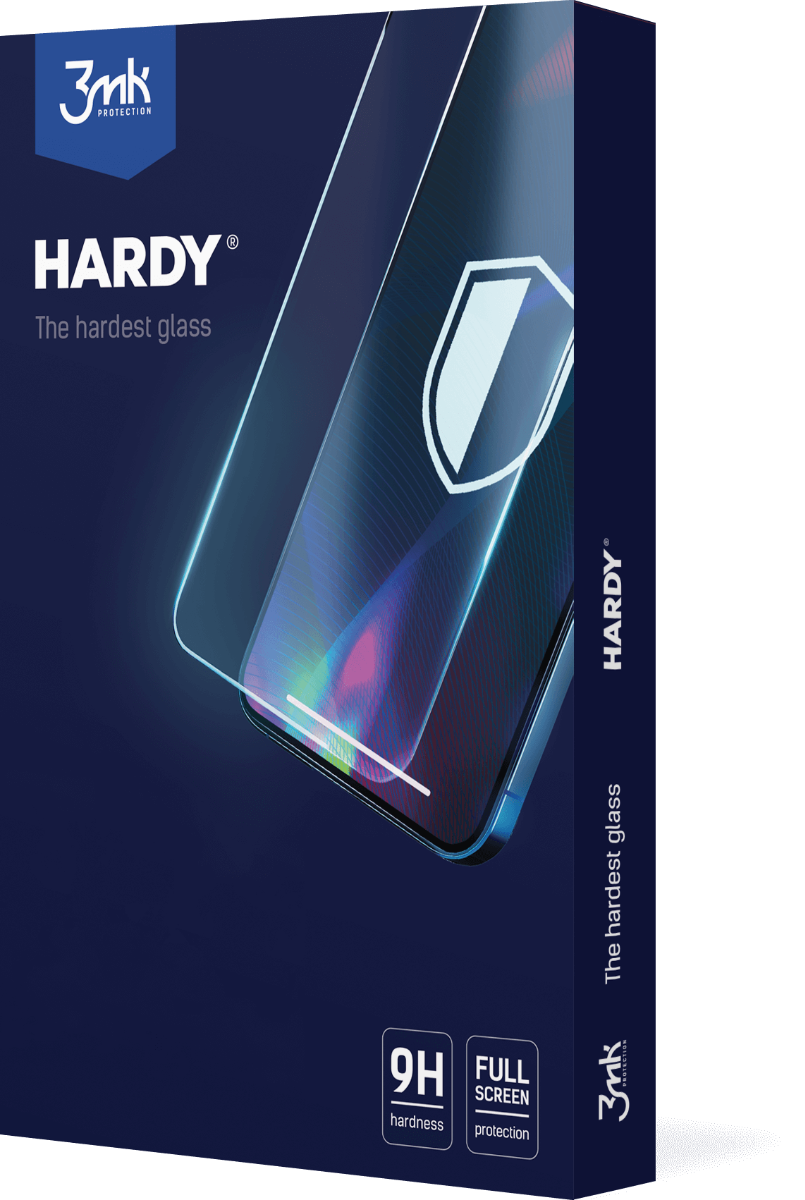
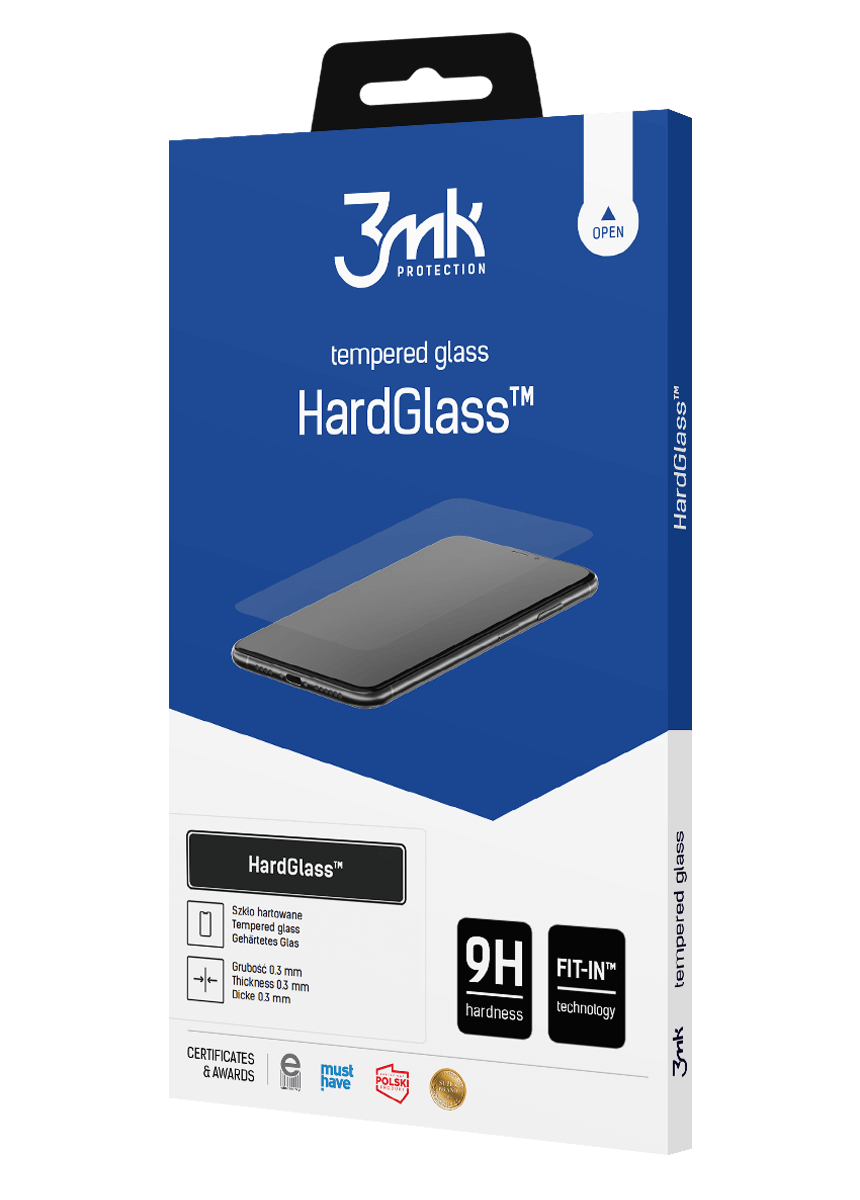
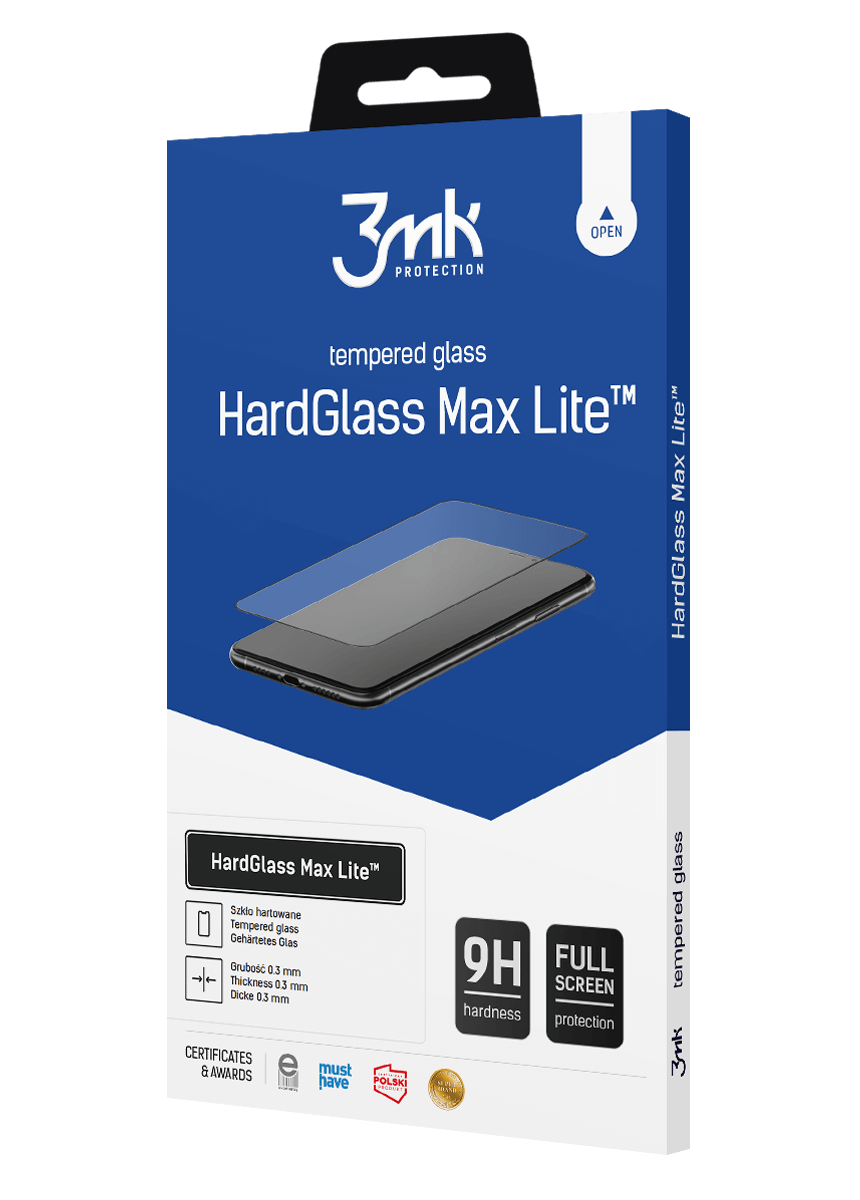
The standout feature of tempered glass is its top-tier hardness—9H, the highest among phone-screen protectors! Impressive, isn’t it? When choosing tempered glass, pay attention to size and extra layers, especially an oleophobic coating; that way you get glass that resists fingerprints until the coating eventually wears off. How does tempered glass break? On impact or when dropped, it crumbles into very small, non-sharp pieces, so the risk of cuts is minimal. Phone-specific tempered glass is mounted on a special backing that keeps the fragments from scattering when it cracks, letting you remove the protector from the display in one piece even after it’s damaged. Remember, a tempered-glass protector’s job is to shield your smartphone’s screen.
How can you protect a screen from scratches? With tempered glass! Hard tempered glass reaches 9H on the hardness scale, which in practice means it’s really difficult to scratch. Do you ever keep your phone together with other items? Inside a handbag or backpack, your phone faces many hazards. Coins or other sharp objects can damage the screen, so using a smartphone fitted with tempered glass is a smart idea in those situations!
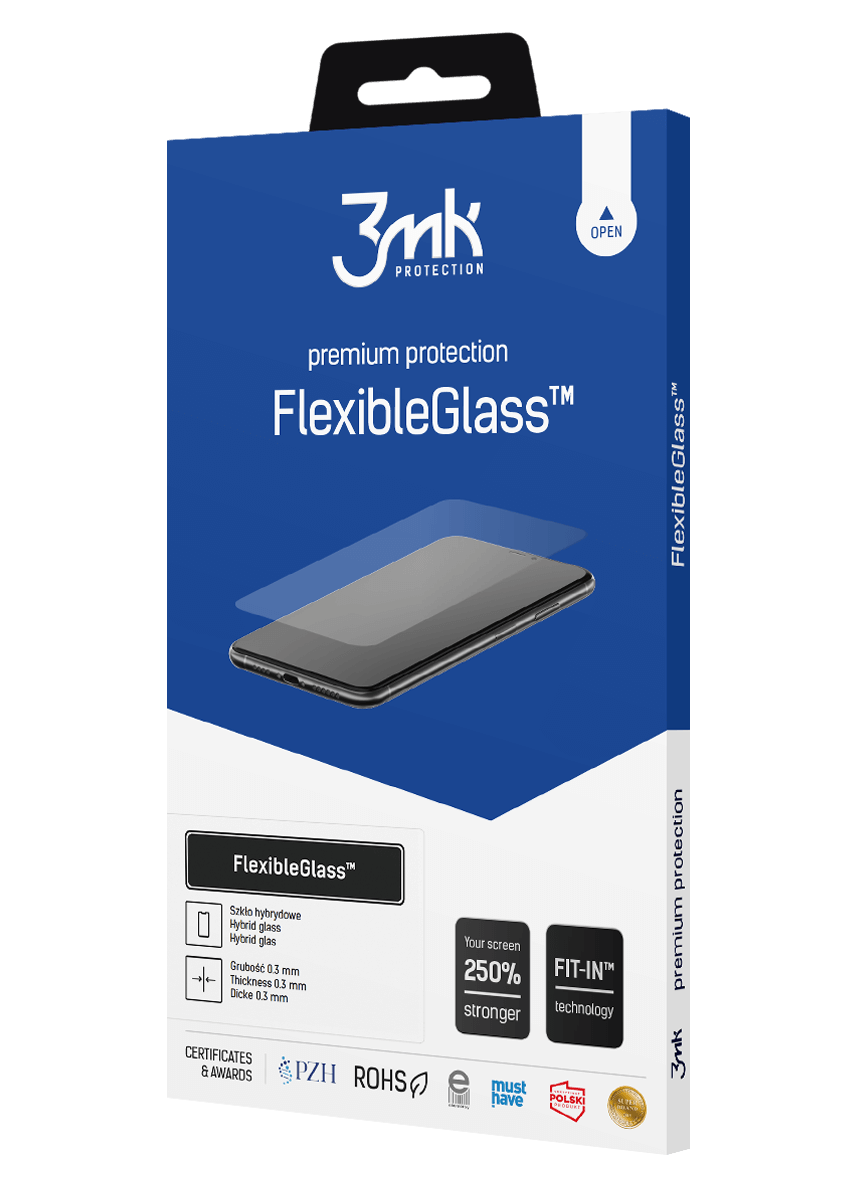
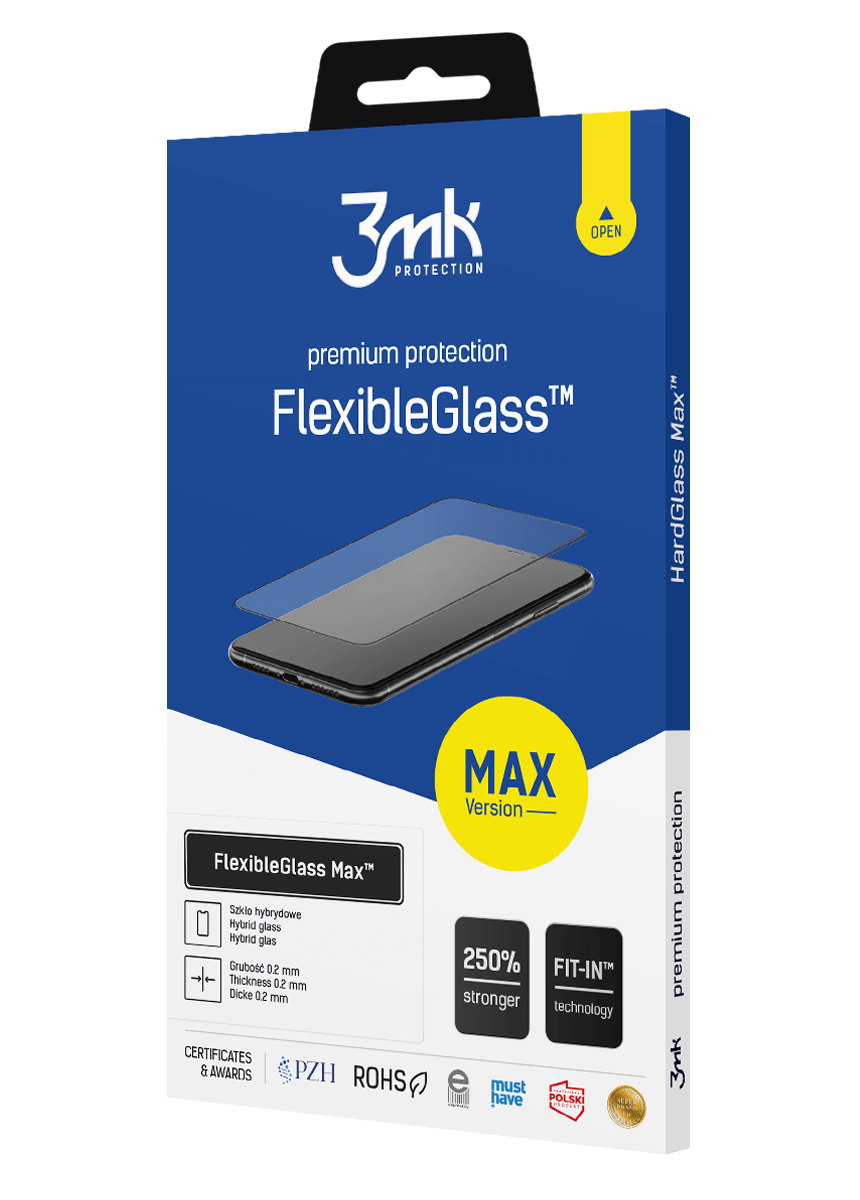
Glass or film for a phone? With hybrid glass you don’t have to choose, because it combines tempered glass with a quality protective film—the golden mean of screen protection! The result is a product that both reinforces the display and resists scratches. The flexible film layer adds shock absorption, while the tempered-glass layer keeps the hybrid from scratching too quickly. Wondering whether to pick hybrid or tempered glass? Read on! Thanks to its properties, hybrid glass doesn’t crack—a huge advantage. Picture this: your phone with hybrid glass drops to the floor; the glass absorbs the impact and shows no sign of the fall—you can get straight back to scrolling TikTok.
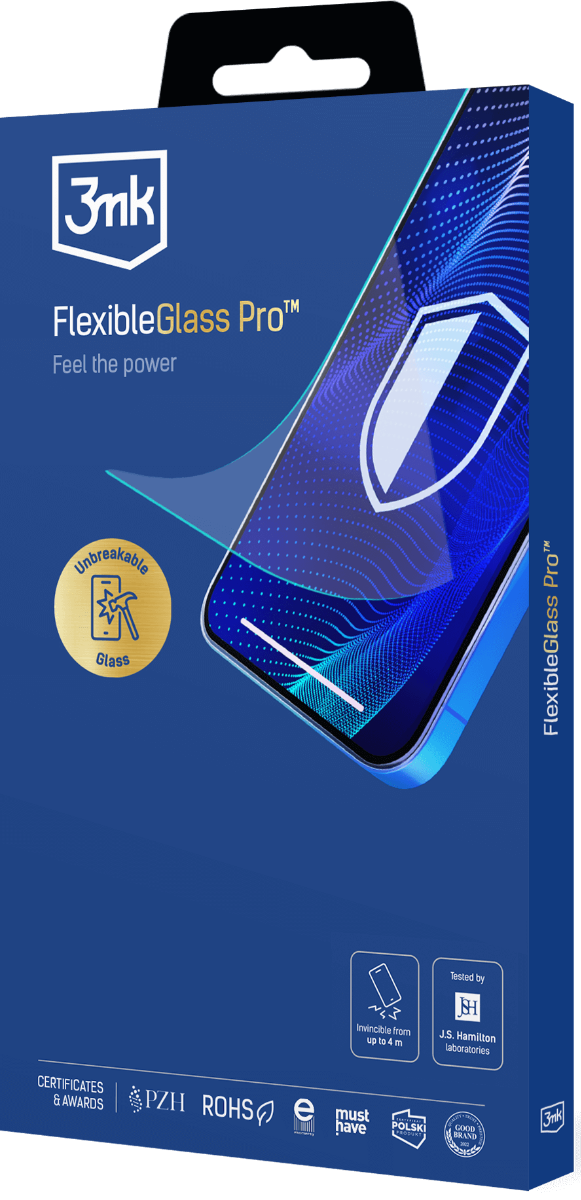
Hybrid glass is the right choice if you want protection against both cracks and scratches. The ideal combo is a hydrogel film plus tempered glass. Also consider where you keep your phone—hybrid glass performs well even in tough conditions. Does your phone take the occasional tumble? Do you usually think that means replacing the protector? Not anymore: this is non-cracking glass.




Login and Registration Form